

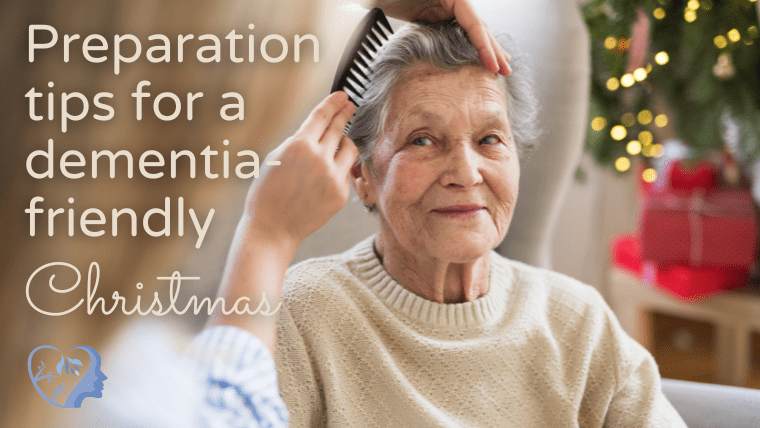
Preparation tips for a dementia-friendly Christmas
Christmas is undoubtedly a special time of year when many of us look forward to spending quality time with our loved ones while taking a break from work and education. And while we all hope we’ll have an opportunity for a bit of festive fun, rest and relaxation, the reality of the festive period is often that it’s quite a tough time – especially for people living with dementia and their families.
In the run-up to Christmas, the shops fill with festive goods and decorations. Everywhere seems to become busier and noisier. And from December – sometimes earlier – our homes start to look different as we get out the Christmas tree, crib scene, garlands and ornaments. All of this change can be overwhelming and disorienting for somebody who has dementia.
By taking a step into their world for a moment, it’s easy to understand why Christmas can be a difficult time. Suddenly, their surroundings look different. Places they go to, like shops and cafes, aren’t the same. Furniture has moved around to make room for Santa’s Grotto. The supermarket aisles have changed and products have moved to make way for Christmas stock. Cafe menus have switched to seasonal favourites. People are dressed up in all sorts of festive attire. And beneath all these layers of change is a growing feeling of pressure – the stress of Christmas shopping, of beating the traffic, of getting food orders in on time. The pressure we feel can be picked up on by those around us, even if we’re not aware that we’re giving off any signals.
If you’ll be spending Christmas with a loved one who has dementia, you might be wondering how you’ll get through the festive break without too much stress. We understand how tough this time of year can be, because we’ve spent many Christmases with loved ones living with dementia, too. Here’s what we learned about how to make the festive period as calm, comfortable and enjoyable as possible.
Create a quiet space
 If your loved one will be staying with you for Christmas and the house will be busy, the extra noise and stimulation can be too much for someone with dementia. Planning in advance to make sure they have a calm, quiet space to retreat to if the festivities become overwhelming can help things run smoothly without any need for the person to become upset.
Keep traditions alive
Long-term memories are a fantastic source of comfort and joy for people living with dementia, who may have fond recollections from Christmases past. Find out what your loved one enjoyed about the festive period in their younger years – perhaps singing carols around the tree, watching a favourite film or walking around the park after Christmas dinner – and incorporate it into your Christmas plans.
Find comfort in familiarity

See if you can’t dig out some older Christmas decorations or cards you may have kept that your loved one will remember – they can be wonderful talking points that encourages the person to reminisce, in turn boosting their wellbeing. If you don’t have anything that fits the bill, try investing in some nostalgic decorations and encourage your loved one to help choose what they like so they feel included.
Set the tone for visitors
When people come to call, include your loved one by introducing guests (even if they’re people they know), by talking to the person rather than about them, and by keeping sentences clear and short. Being patient and giving the person time to respond will ensure they feel acknowledged and heard. In this way, guests can follow your lead and everyone can enjoy some meaningful time together.
Avoid arguments
Christmas can be a fraught time for families and arguments can and do happen. It’s important to try to avoid arguing with someone who has dementia, even if you know they’re wrong, because they quite simply do not have the cognitive ability to see both sides. Trying to reason your point is a waste of time and can just make everyone feel upset or infuriated. Instead, step into their reality for a moment and see if you can find a better solution.
Let go of expectation
The media hypes the festive period up to be a larger-than-life event, filled with expensive gifts and grand gestures, enormous feasts and the expectation that everything should be ‘perfect’. In reality, Christmas is whatever you make of it. It’s more important to be present in the moment with your loved ones, sharing quality time together, than to spend the period so busy and stressed that you feel burnt out by Christmas Day.
Christmas with dementia might feel different but the festive period can still be special. The spirit of the season is felt in small but meaningful ways – a smile, a hug, laughter at a silly joke or enjoying a favourite festive film together. Don’t forget that it’s who’s around your table rather than what’s under the tree that matters most.
If you need to speak to a dementia expert over the festive period, please feel free to give us a call or send us an email – we’ll be happy to help.